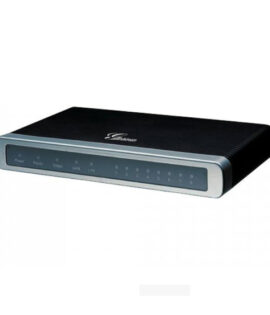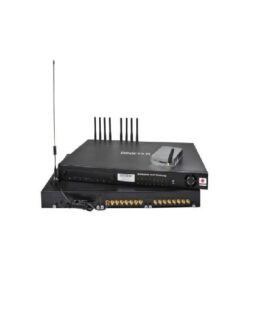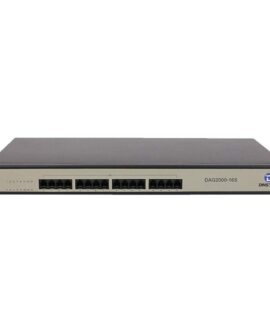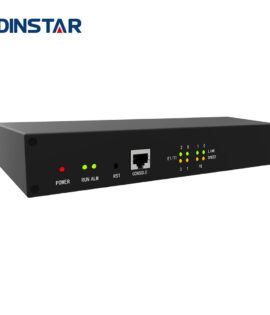

Dinstar UC 2000-VE-8G ( 8 Port GSM Gateway )
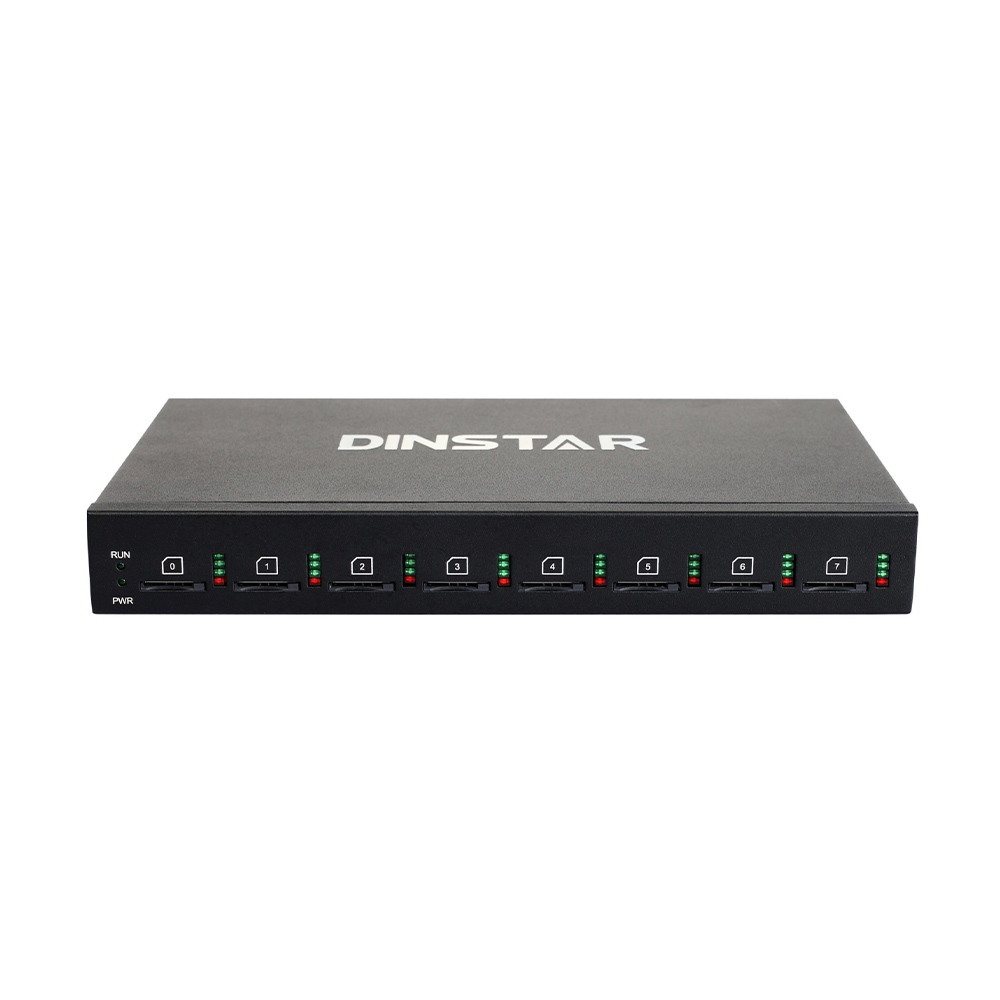
Dinstar UC 2000-VE-8G ( 8 Port GSM Gateway )
₹49,000.00Current price is: ₹49,000.00. Original price was: ₹49,500.00.
| Brand | Dinstar |
| Number of Channels | 64 |
| Model Name/Number | UC 2000-VE-8G |
| Number Of Ports | 8 Port |
| Color | Grey |
DINSTAR?UC2000-VE?series GSM/LTE VoIP Gateway?is?a multi-functional gateway which helps to effectively implement calls between 2G/3G mobile network and VoIP network. With new designed?pop-up?SIM?card slot,?users are able to change SIM card easily?without dismantling?equipment.?Moreover, with the opened API, the users could build their own application software to send SMS/USSD messages or bulk SMS messages, or push their text messages from email, HTTP etc.
It has great performance in software features also in new hardware structure design. The gateway provide? low cost, easy and flexible IP telephony solution to enterprise, SMEs and business office etc.
Key Specifications & Features
-
The UC2000-VE series supports 4 or 8 mobile channels. The “8G” variant is the 8-channel version. dinstar.com+3dinstar.com+3voipon.co.uk+3
-
Supports GSM (and in some variant GSM/WCDMA/LTE) networks. For example: GSM 850/900/1800/1900 MHz for the 8-G model. voipon.co.uk+2telco.ge+2
-
SIP/VoIP compatibility: Protocol SIP v2.0 (RFC 3261), UDP/TCP/TLS, code-c support: G.711 A/µ, G.723.1, G.729A/B. voipon.co.uk+1
-
SIM & antenna support: 8 SIM slots (for 8 channels) and corresponding antenna connectors. dinstar.com+1
-
Additional features:
-
SMS/USSD support, HTTP API for SMS integration. dinstar.com+1
-
Web GUI + console (RS232), VLAN & QoS support in Ethernet interface. businesscom.cz
-
-
Physical / hardware: From user manual: Power input 100-240V AC (for some models), operation temp ~0-45 °C. businesscom.cz
⚠️ Deployment Considerations for India (Bengaluru)
Since you’ll likely use this in an Indian/enterprise context, here are important things to verify:
-
Network Band Compatibility: Make sure the GSM bands supported match the Indian mobile networks you will use (e.g., 900/1800 MHz are common). If you plan for 4G/VoLTE support, check LTE bands as well (the 8G may be GSM only or limited LTE)
-
Channels / Capacity vs Growth: 8 channels may be enough for smaller mobile trunk usage. If you plan to grow to many more mobile lines, check whether you’ll need a 16 or 32 channel model.
-
SIM & Antenna Infrastructure: With 8 channels you’ll need 8 SIM cards, 8 antennas or good combiner/antenna setup, proper RF signal strength & isolation to avoid interference in a dense environment.
-
SIP/VoIP Integration: Ensure your IP-PBX or SIP trunk supports the codec and signalling you’ll use (e.g., G.729, DTMF modes). Ensure the gateway works well in your network environment (QoS, NAT/firewall).
-
Power & Rack Setup: Confirm physical installation space, ventilation, UPS/power availability.
-
Support & Firmware: Check that there’s local support in India, that firmware updates are available, and that the parts/spares can be serviced.
-
Regulation & Compliance: If using many mobile channels for trunking/origination in India, check regulatory environment, operator permissions, SIM-usage guidelines etc.
-
Cost/ROI: Evaluate cost of gateway + SIM cards + antennas + installation + maintenance vs the benefit of using mobile channels (cost saving or redundancy) compared to fixed trunk alternatives.
| Weight | 1.8 kg |
|---|