-
 1 × ₹38,500.00
Subtotal: ₹38,500.00

₹91,000.00
| Network Equipment Type | Digital IP PBX |
|---|---|
| Model Name/Number | Hello IP PBX Digital IP PBX |
| Brand | Hello IP PBX |
| Product Type | IP PBX System |
| Connectivity | Digital IP / VoIP |
| Maximum Calls | Up to 100 calls |
| Interfaces | Ethernet RJ-45, USB, RS-232 |
| Connectivity Options | FXO, FXS, GSM, E1 |
| Protocol/Security | IPv4/IPv6, SRTP, TLS |
| Administration | Web-Based Administration |
| Display | LCD Display |
| Caller ID | Yes |
| Material | Plastic and Metal |
| Color | Black/Silver |
| Weight | Approx. 1.2 kg |
| Power Consumption | Below 15W |
| Application | Office & Enterprise Communication |
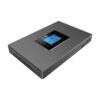
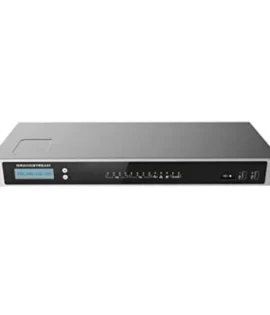
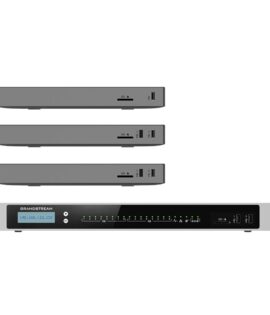
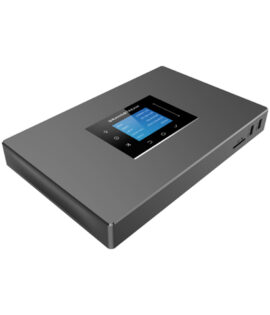
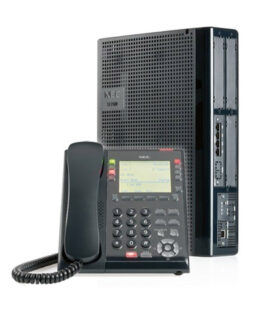
The Hello IP PBX Digital IP PBX is a business communication system designed to provide reliable and flexible voice communication for offices and enterprises. It is built to support modern IP telephony, VoIP communication, and traditional telephony connectivity, making it suitable for organizations looking to centralize and manage their business calls through a single PBX platform. Available specifications indicate support for up to 100 calls, with connectivity options including FXO, FXS, GSM and E1, depending on the configuration.
The system provides Ethernet RJ-45, USB and RS-232 interfaces and includes an LCD display. Web-based administration allows administrators to configure and manage the telephone system conveniently. Security features such as SRTP and TLS can help protect IP-based voice communication.
The Hello Digital IP PBX can integrate SIP phones, VoIP services and traditional PSTN lines, helping businesses reduce dependence on conventional proprietary PBX systems. It can be used for office communication, call management and centralized extension management. The system is particularly suitable for small and medium-sized businesses requiring an economical IP-based communication solution.
For the specific Hello IP PBX Digital IP PBX listing, the available product information specifies a black/silver plastic-and-metal construction, approximately 1.2 kg weight, and power consumption below 15W.
| Weight | 1.8 kg |
|---|