-
 1 × ₹37,000.00
Subtotal: ₹37,000.00

₹77,000.00

From the manufacturer’s website and datasheets:
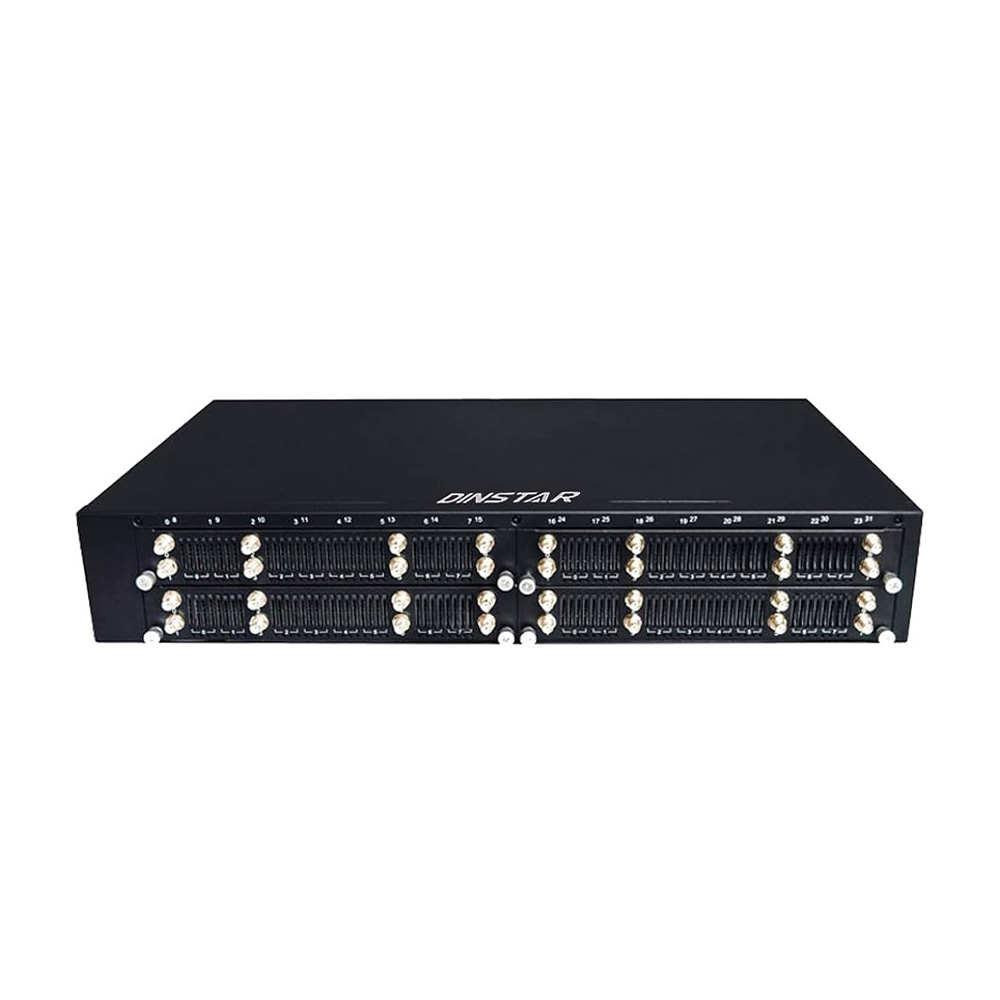
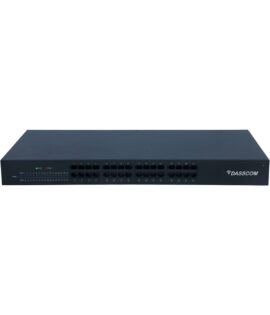
Supports 32 mobile channels (i.e., 32 ports) for GSM/3G/4G to VoIP conversion. dinstar.com+1
“32 SIM slot, 32 antennas” configuration (for some variants) – i.e., one channel = one SIM/antenna. dinstar.com+1
Network support: GSM: 850/900/1800/1900 MHz, WCDMA (850/900/1900/2100) and LTE (various bands) in advanced models. dinstar.com+1
VoIP protocol support: SIP v2.0 (RFC 3261), etc. dinstar.com+1
Features include SMS/USSD capability, HTTP API for SMS, SIM bank management, and full VoIP features (echo cancellation, jitter buffer, etc). dinstar.com+1
Physical/power spec example: 100-240V AC input; 68W power consumption for one variant. buymyvoip.com
Since you’re based in Bengaluru (India) and likely integrating into an enterprise or call-centre setup, here are important checks before buying:
Band Compatibility: Make sure the model supports the LTE bands used by your mobile network operators in India (if you plan to use LTE/VoLTE). If it’s mostly GSM/3G only, that limits future proofing.
Sim Management & Antenna Setup: With 32 channels you’ll need 32 SIMs and adequate antennas or antenna combiners. Ensure RF signal strength / isolation is well planned.
Integration with SIP/IP-PBX: Confirm codec support (G.711, G.729 etc), DTMF modes (RFC2833, SIP INFO), SIP trunk compatibility with your IP-PBX.
Power/Cooling & Rack Space: 32 ports = more heat, more power. Ensure your installation has adequate ventilation and stable power supply.
Support & Warranty in India: Check local distributor for firmware updates, spare parts, warranty coverage.
Regulatory/Operator Compliance: In India using mobile gateways for certain types of termination may need regulatory compliance – check with local laws.
Cost of Ownership: Beyond the hardware cost, account for SIM cards, installation, antennas, maintenance, power, and network bandwidth.
| Weight | 3.2 kg |
|---|